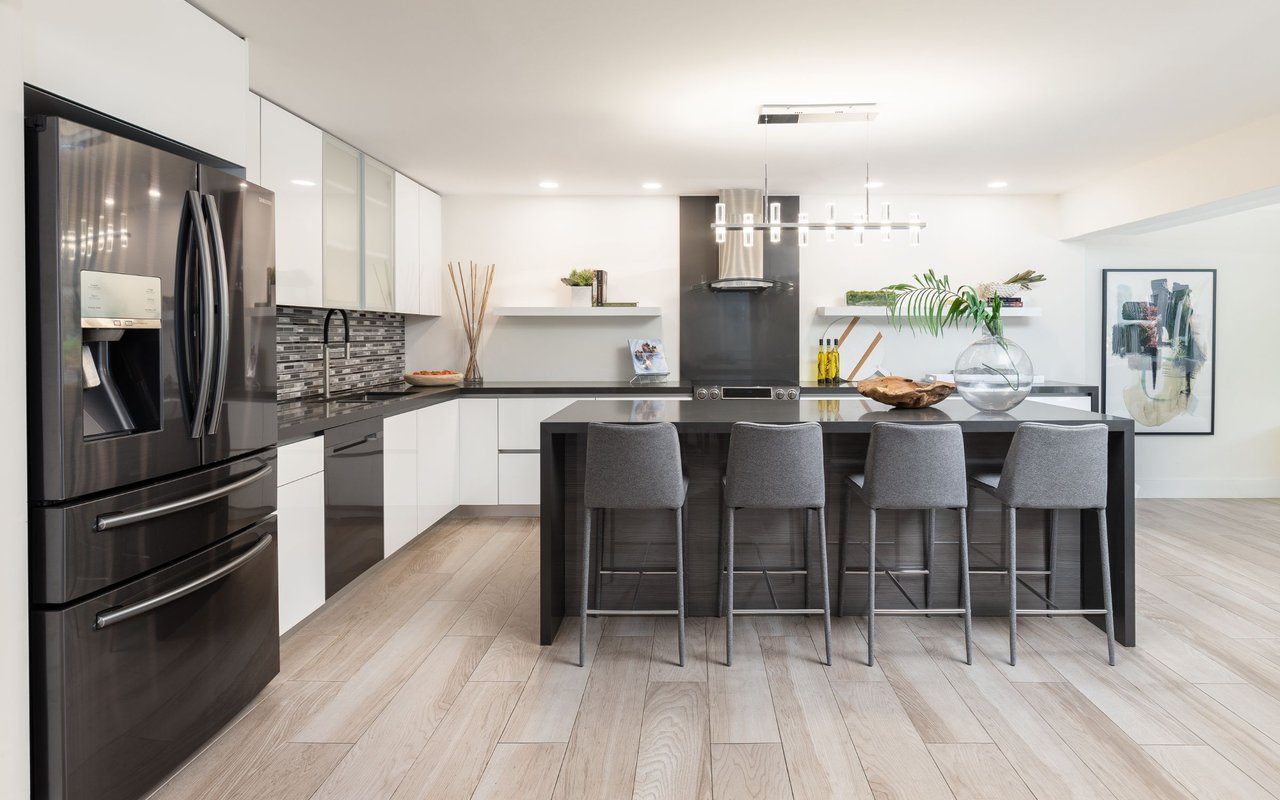
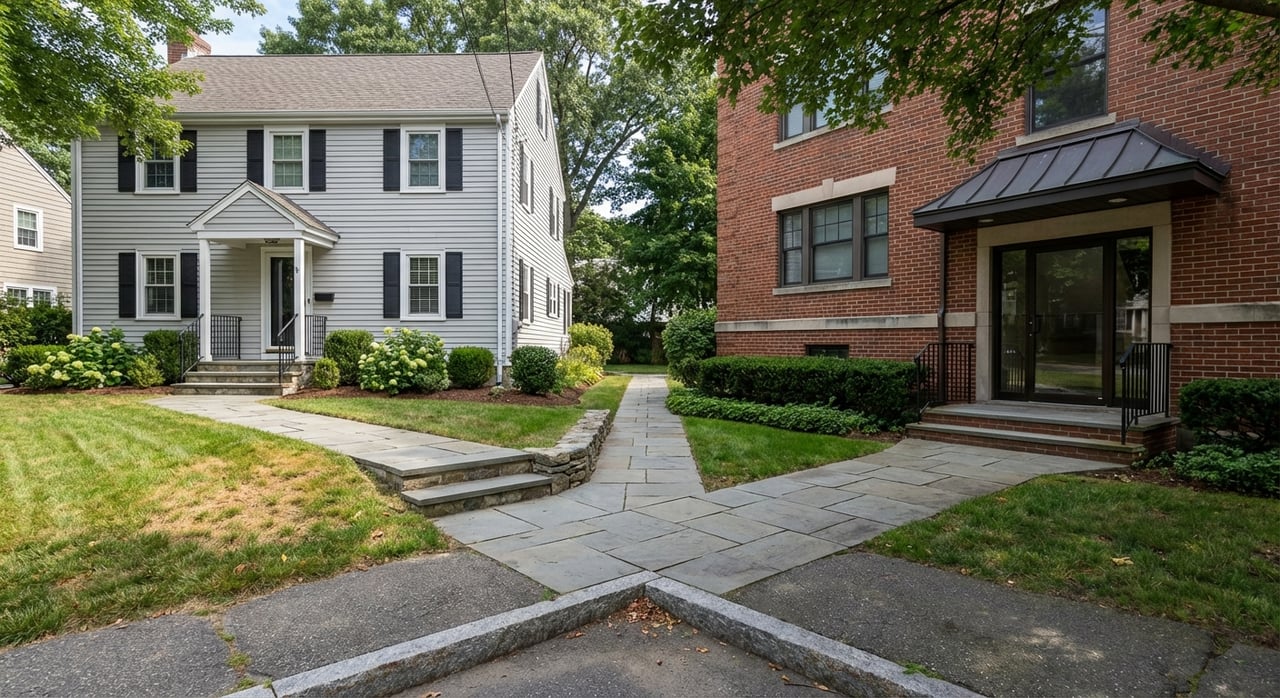
Trying to decide between a downtown condo and a single-family house in White Plains? You are not alone. Many buyers want walkability and easy transit while also craving space, privacy, and a yard. In this guide, you will learn how condos and houses compare on ownership, costs, commute, lifestyle, and resale in White Plains so you can choose with confidence. Let’s dive in.
Condo vs house in White Plains: quick overview
Choosing between a condo and a house often comes down to tradeoffs. Condos offer convenience, lower day-to-day upkeep, and close-to-transit living. Houses offer space, control, and more privacy but come with higher maintenance and property tax exposure. Price medians vary by data source and timeframe in White Plains. Some quarterly snapshots show higher medians due to a few large sales, which is why you should always check the source and period for any headline number. For example, select reports show higher quarterly medians around the upper hundreds of thousands for certain periods, illustrating how small samples can skew results. You can review one of the city’s market trend snapshots to see how timing affects reported medians on PropertyShark’s White Plains trends page.
What you get with a condo
Ownership and financing basics
You own your individual unit plus a share of the building’s common elements. You receive a deed and you can finance with a typical mortgage. The association collects monthly common charges for operations, amenities, and reserves.
Monthly costs to model
- Mortgage principal and interest
- Property tax billed to you directly
- HOA common charges that cover shared services and reserves
- HO-6 condo insurance for your interior and liability
- Utilities not covered by the building
Common charges vary by building and amenity level. In White Plains you will see a wide range that can reach into the four figures in full-service buildings. Always review current budgets and reserves before you decide.
Lifestyle fit
Condos near downtown White Plains put you close to dining, shopping, and the Transit Center. This can cut car dependence and simplify your commute. If you prefer a lock-and-leave setup with less exterior maintenance, a condo can be a strong fit.
What you get with a single-family house
Ownership and financing basics
You own the land and the structure. You finance with a typical mortgage and pay property taxes directly. You are responsible for all exterior maintenance, utilities, and a full HO-3 homeowner’s insurance policy.
Monthly costs to model
- Mortgage principal and interest
- Property tax for city, county, and school levies
- Homeowner’s insurance (HO-3)
- All utilities and services such as lawn care, snow, and repairs
Property taxes in Westchester County, including White Plains, sit in the higher band compared with many U.S. areas. Studies consistently place Westchester among counties where property taxes take a larger share of income, so budget carefully. For national context on tax burden, see this overview of counties with high property taxes from MyBankTracker.
Lifestyle fit
A house gives you space, privacy, and control over your property. If you want a yard, room for hobbies, and the ability to customize, a house may be the better match. Expect more hands-on maintenance and higher carrying costs than a condo.
Co-ops in White Plains: a third path
Co-ops also appear in White Plains. Instead of a deed to a unit, you buy shares in a corporation and receive a proprietary lease. Co-op maintenance often bundles building taxes, heat or hot water, and building-level debt service. Boards typically review buyers, set financial standards, and may have sublet or flip tax rules. Co-ops can offer attractive price per square foot for owner-occupants who plan to stay long term. If you value lower upfront price and do not need investor flexibility, this option is worth a look.
Budgeting your decision
Understand local taxes and assessments
Your full property-tax bill in White Plains includes city, county, and school levies. City budget materials and local reporting highlight how these components can add up. For context on city tax rates and municipal revenue sources, review recent local budget coverage summarizing proposed rates in the mid-hundreds per $1,000 of assessed value and the importance of parking revenue downtown in the city budget at Citizen Portal’s report. You can also find assessment documents and related materials in the City of White Plains document center.
What to compare line by line
- Purchase price and down payment requirements
- Mortgage payment based on your loan and rate
- Property taxes for the full bill
- HOA or maintenance fees and any special assessments
- Insurance: HO-6 for condos and co-ops, HO-3 for single-family homes
- Utilities and services not covered by the building
Illustrative monthly cost comparison
These examples are for learning purposes only. Use your lender’s rates and current building budgets to model your numbers.
Example downtown condo
- Price 650,000, 20 percent down, conventional loan
- Mortgage payment based on your quoted rate
- Property tax billed directly to the unit owner
- Common charges that reflect staffing, amenities, and reserves
- HO-6 insurance and any utilities not covered by the building
Example single-family house
- Price 900,000, 20 percent down, conventional loan
- Mortgage payment based on your quoted rate
- Full property tax bill for city, county, and school levies
- HO-3 homeowner’s insurance
- All utilities plus exterior maintenance and repairs
The key is to compare condo maintenance plus taxes and utilities against the house’s taxes, insurance, and upkeep in one clear monthly view. This makes the tradeoff visible.
Commute and location tradeoffs
To Manhattan on Metro-North
White Plains is a major stop on the Metro-North Harlem Line with frequent service to Grand Central. Depending on the train pattern, scheduled times commonly sit in the roughly 35 to 50 minute window, with broader windows possible during certain service patterns. You can review general service updates from Metro-North and plan around express vs local options.
To Jersey City and the Hudson waterfront
There is no direct White Plains to Jersey City rail. A common route is Metro-North to Grand Central, then a subway or shuttle to PATH, then PATH to Jersey City. You can also drive or use buses to Midtown and connect to PATH. For transfer options and PATH overview, see Destination Jersey City’s rail guide. If you work on the Jersey City waterfront, map your full door-to-door time with transfers.
Parking and car needs
Downtown White Plains is more walkable and transit oriented. If you plan to keep a car, price out garage or street parking. Municipal budget reporting shows parking revenue is a meaningful source downtown, which signals demand for structured parking. If you want your own driveway and garage, you may lean toward neighborhoods outside the transit core.
Resale, liquidity, and buyer pools
- Condos often have a broader buyer pool that includes owner-occupants and some investors. This can support easier resale across market cycles.
- Co-ops have narrower buyer pools due to board approval and sublet limits. That can extend time to sell but can provide value for long-term owner-occupants.
- Single-family homes attract buyers who prioritize space and property control. They often hold value well in Westchester but require higher cash outlays and higher tax exposure.
Downtown redevelopment and transit access continue to support demand near the station. Projects like District Galleria highlight the long-run interest in downtown living. Treat new development as a context point, not a promise of appreciation.
A step-by-step decision guide
- Clarify your must-haves
- Commute time target and number of cars
- Space needs, office or hobby areas, and outdoor space
- Tolerance for maintenance and renovation
- Set your monthly budget
- Price, mortgage, and down payment
- Full property tax bill
- Common charges or maintenance and insurance
- Utilities and a repair reserve
- Compare property types side by side
- Downtown condo for transit and low upkeep
- Single-family for space and control
- Co-op for potential value if you meet board standards and plan to stay
- Perform building or property due diligence
- Review association financials, reserves, and any special assessments
- Confirm sublet, rental, and flip tax policies for condos and co-ops
- Verify insurance coverage between master policy and unit owner’s policy
- Study building-level comparable sales rather than citywide medians
- Pressure-test the commute
- Time an actual morning trip to your office
- Confirm parking options and costs if you keep a car
The bottom line
If you want a lower-maintenance, walkable lifestyle near the train, a White Plains condo may be the right move. If you want more space, privacy, and control, a single-family house can deliver that, while requiring a larger budget for taxes and upkeep. Co-ops can be a smart value path for long-term residents who meet board standards and prefer bundled monthly costs. Ready to compare real numbers and neighborhoods based on your goals? Schedule a conversation with Jessica Broomhead to map your best next step.
FAQs
What are the main cost differences between a condo and a house in White Plains?
- Condos carry common charges plus separate property taxes and HO-6 insurance. Houses carry full property taxes, HO-3 insurance, all utilities, and exterior upkeep. Compare both options line by line to find your true monthly cost.
How long is the commute from White Plains to Midtown Manhattan?
- Many Metro-North Harlem Line trains reach Grand Central in roughly 35 to 50 minutes depending on express vs local patterns. Check current service details and time a test ride.
How do I get from White Plains to Jersey City by transit?
- Typical route: Metro-North to Grand Central, then subway or shuttle to PATH, then PATH to Jersey City stations such as Exchange Place or Newport. Build in transfer time for a realistic door-to-door plan.
Are property taxes high in White Plains compared to other areas?
- Westchester County, including White Plains, is in a higher property-tax band relative to many U.S. markets. Budget carefully and include city, county, and school levies in your modeling.
Are co-ops common in White Plains and who should consider them?
- Co-ops exist across White Plains in mid-rise and garden-style buildings. They can be a value option for long-term owner-occupants who meet board standards and are comfortable with bundled monthly maintenance and rules on subletting.