Thinking about swapping crowded subway transfers for a quick train ride and more living space? If you work in Manhattan, White Plains gives you a balanced city-suburb lifestyle with a practical commute, a lively downtown, and housing options that fit different budgets and stages of life. You want the facts, not the fluff. This guide walks you through the commute, daily life, housing tradeoffs, and how to decide if White Plains is the right fit. Let’s dive in.
The NYC commute from White Plains
Metro-North to Grand Central
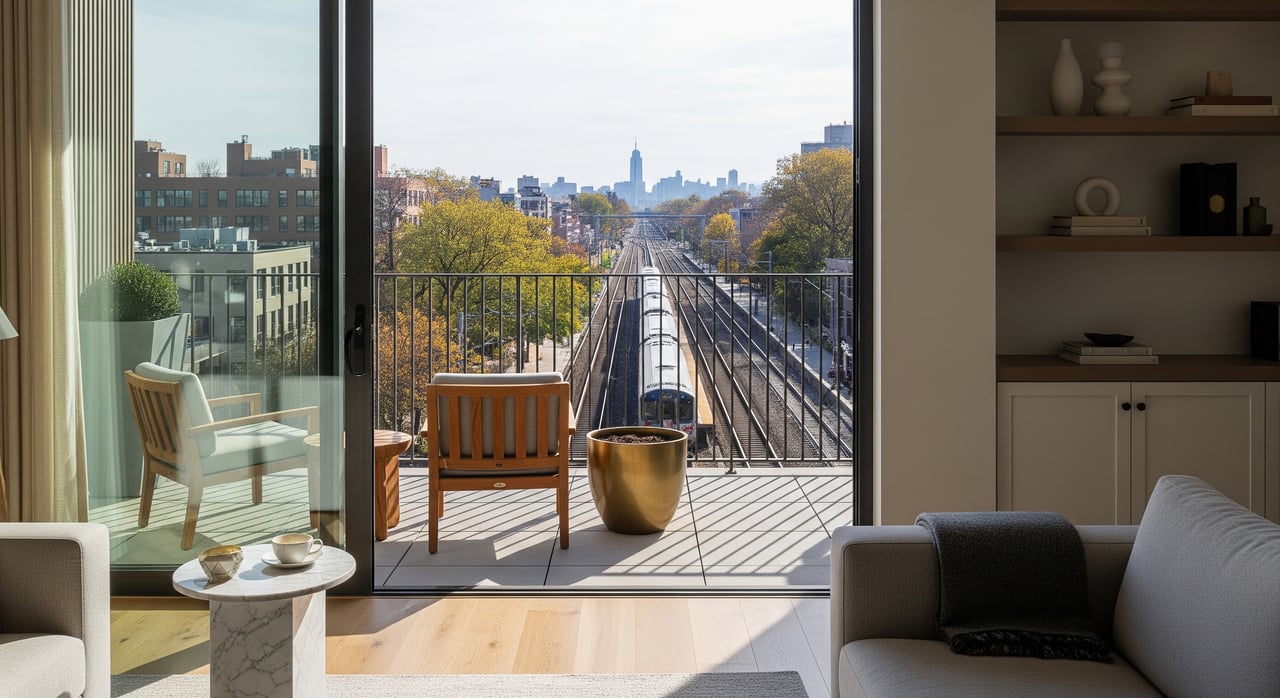
If you plan to commute by rail, the Metro-North Railroad’s Harlem Line is your backbone. You get frequent peak-direction trains on weekdays with a mix of local and express options. On many peak express runs, travel times to Grand Central are commonly under an hour, often in the 30 to 50 minute range depending on the stop pattern. Seats are first come, first served, and peak-hour trains can be crowded.
What this means for you: if you live within walking distance of the station or have a reliable parking plan, rail is usually the most predictable way into Midtown East. Off-peak and weekend trains run less often, so you will want to check schedules when planning later evenings or Sunday outings.
Bus options
Private commuter buses operate between White Plains and Midtown, including drop-offs near the Port Authority area. These can be convenient if you work near the bus terminals. Westchester’s Bee-Line buses connect local neighborhoods with downtown, the train station, park-and-ride lots, and nearby suburbs. The tradeoff is traffic. Buses are subject to the same highway congestion as cars, so travel time can vary more than the train.
Driving and reverse commuting
You can drive to Manhattan via routes that connect to I-287, I-87, the Saw Mill River Parkway, and the Bronx River Parkway. In practice, rush hour can be slow and unpredictable. Many residents who work in other suburbs drive, while those headed to Midtown often choose the train. Reverse commuting is common, and many jobs are right in White Plains. If your office is local, your weekly commute could be a short drive, bus ride, or walk.
Door-to-desk planning
Want a reality check on timing? Build it step by step.
- Morning: walk to the station or park, buffer for platform wait, take an express train, then walk from Grand Central to your office. If your office is west of Midtown, add a short subway or bus segment.
- Evening: aim for an express train home and note last-train times for late nights. Off-peak service is less frequent, so plan ahead on weekends and holidays.
- Pro tip: compare a typical express schedule against a local and a bus route for your exact hours. Your personal door-to-desk time is the number that matters.
Daily life in White Plains
Walkable downtown and transit-oriented living
White Plains has a compact, walkable core with restaurants, cafes, casual bars, grocery stores, retail, and civic buildings clustered around the train station. If you value a short walk to dinner and an easy ride to Grand Central, the station-adjacent blocks make life simple. Compared with sleepier suburbs, downtown White Plains stays active later into the evening, which many commuters appreciate during the workweek.
Shopping, services, and culture
You will find a regional mall, national chains, and smaller local retailers downtown. There are also performing and community arts programs, seasonal events, and county buildings that bring steady activity to the area. Healthcare is a strong suit, with a major regional hospital and a range of specialty providers in and around the city. For busy professionals, having this level of access nearby can reduce stress.
Parks and outdoor time
White Plains has several local parks and easy drives to county preserves, reservoirs, and Hudson River towns for hiking and waterfront views. Many residents split weekends between local dining and quick nature escapes. If you enjoy a mix of urban convenience and fast access to green space, you will likely find the rhythm appealing.
Housing options and costs
Condos and rentals near the station
Commuters often prioritize proximity to the train. That is why high-rise and mid-rise condos and rentals near the station are popular. You get a transit-oriented lifestyle and walkable errands. Mixed-use buildings with retail on the ground floor add to the convenience.
Single-family homes in surrounding neighborhoods
Just outside downtown, you will find single-family streets with styles common to Westchester, including colonials and Tudors. These areas offer more space and yards, with a short drive to the station and downtown amenities. If you want more room and a quieter block, this is where you may focus your search.
Costs, taxes, and budgets
Westchester property taxes are substantial, so build them into your monthly budget early. Housing in White Plains is often higher than in towns farther north, but you can typically get more space for your dollar than in Manhattan. Condos and rentals are common entry points for first-time buyers and city-to-suburb relocators. If you are comparing a condo to a single-family home, weigh HOA fees and maintenance against property taxes and your commute preferences.
Parking and car needs
Many residents keep at least one car for errands, weekend trips, or suburban commutes. If you live close to the station and work in Manhattan, a car-light lifestyle can be realistic. Station parking lots and garages operate with permit and daily-fee systems, and they can be competitive during peak hours. If driving to the train will be part of your routine, review your parking options early to avoid surprises.
Neighborhood fit and lifestyle tradeoffs
Who gravitates to which areas
- Transit-oriented buyers typically choose condos and apartments near the station for shorter commutes and walkable nights out.
- Buyers seeking more space often look to single-family neighborhoods a short drive from downtown.
- Professionals who want a steady dining scene within a few blocks of home favor the walkable downtown core and adjacent neighborhoods.
Safety and community context
White Plains includes both urbanized blocks and quieter residential streets. Perceptions of safety can vary by block and time of day. If safety is a priority for you, review local police statistics and recent community updates to understand trends. Walk the blocks you are considering at different times to get a feel for the area.
Pros and cons for NYC commuters
Advantages
- Shorter rail times to Grand Central than many northern suburbs, with express options.
- Walkable downtown living that supports car-light routines.
- Strong healthcare and civic services, plus a local job base that can reduce Manhattan-only commuting.
- More space per dollar compared with many Manhattan rentals and smaller condos.
Tradeoffs
- Property taxes in Westchester are a meaningful budget item for homeowners.
- Peak-hour trains can be crowded, and door-to-desk time still includes walking and waits.
- Driving or bus commutes are affected by highway congestion.
- Outlying neighborhoods often require a car for errands and school drop-offs.
Your decision checklist
Use this quick list to weigh your move.
- Commute logistics: measure door-to-desk time across rail, bus, and driving for your exact hours.
- Station access: confirm your walk, drop-off plan, or parking permit availability.
- Housing tradeoffs: compare condo and rental options near the station to single-family homes farther out. Include property taxes and any HOA fees.
- Schools and childcare: review White Plains City School District policies and explore private or parochial options that match your needs.
- Lifestyle fit: visit downtown on a weeknight and a weekend. Check restaurants, events, and parks.
- Resale and rental demand: ask about local market velocity if you may move or rent in the future.
Is White Plains right for you?
If you want a shorter rail ride, a downtown that stays lively after work, and options from station-side condos to tree-lined streets with yards, White Plains should be on your list. You are close to Manhattan for client meetings and culture, with enough space and convenience to make evenings and weekends feel easy. The key is mapping your real commute time, confirming parking or walkability, and choosing the housing type that fits your budget and routines.
If you would like a walkthrough of commute options, neighborhoods, and current listings that match your goals, connect with Jessica for a tailored plan and a stress-reduced move.
Jessica Broomhead helps city-to-suburbs buyers and local sellers navigate White Plains and surrounding Westchester with presentation-first marketing, patient guidance, and clear answers at every step.
FAQs
How long is the door-to-door commute from White Plains to Midtown?
- On many peak express runs, the train to Grand Central is often in the 30 to 50 minute range. Add your walk or parking time, platform wait, and the walk or short subway from Grand Central to your office for a realistic total.
Is car-free living realistic in White Plains if I work in Manhattan?
- Yes if you live near the station or along reliable bus routes to downtown. If you settle in outlying neighborhoods or commute to other suburbs, a car is usually helpful.
How do monthly commuting costs compare to rent savings versus Manhattan?
- Many buyers trade higher NYC rent for lower cost per square foot in White Plains and add a rail pass and possible parking to their budget. Calculate both side by side to see your true monthly difference.
Which neighborhoods are best for short train access versus more space?
- For short walks to the train and nightlife, look at condos and apartments near the station. For more space and yards, explore single-family neighborhoods a short drive from downtown.
How does the dining and nightlife compare to the city?
- It is smaller and more local, but downtown White Plains offers a solid mix of restaurants, cafes, and casual bars with later hours than many suburbs.
Are property taxes in White Plains a deal breaker?
- They are significant in Westchester and should be a core part of your monthly budget. Review current tax estimates for any home you consider.
How reliable is Metro-North, especially on evenings and weekends?
- Service is generally reliable, with more frequent trains at peak times. Evening and weekend schedules are reduced, so check times before late returns or Sunday trips.
What is parking like at the White Plains train station?
- It can be competitive during peak hours. Municipal lots and garages use permit and daily-fee systems. If you plan to drive to the station, secure a permit or a reliable alternative early.