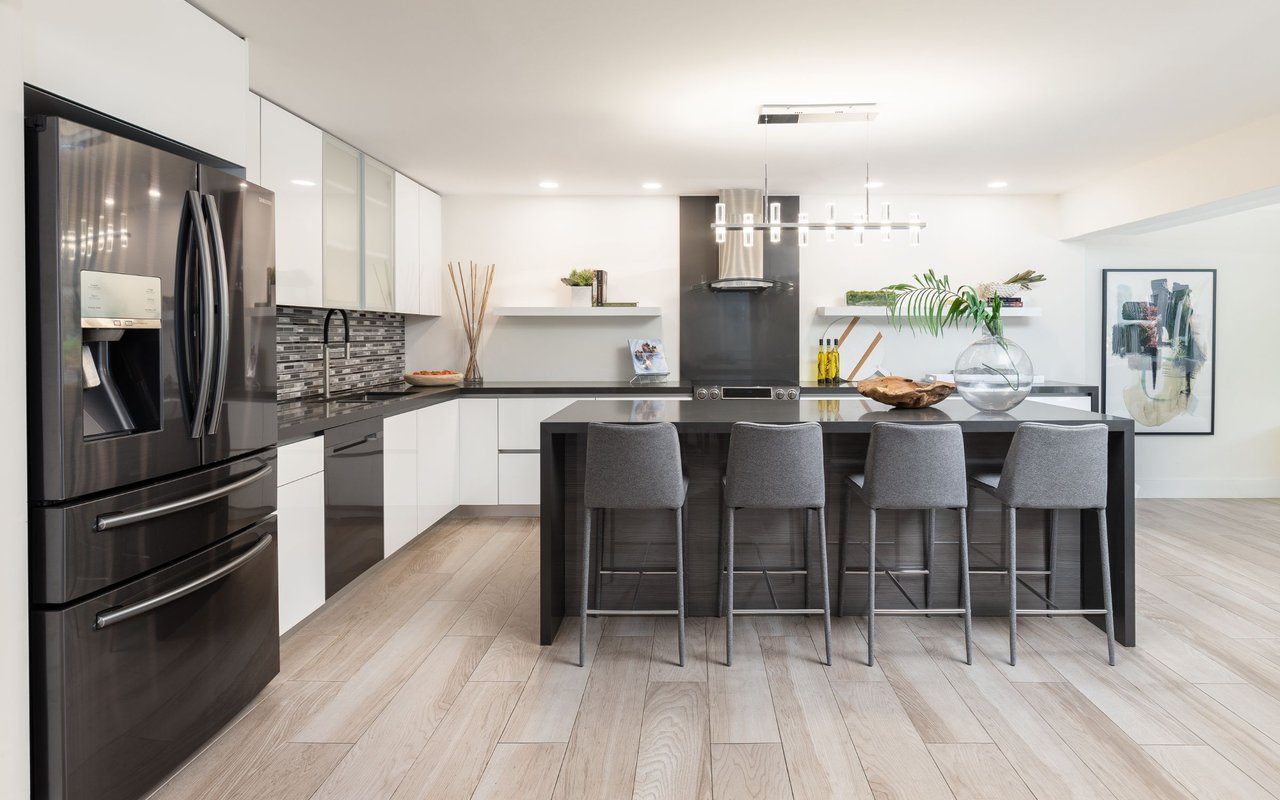
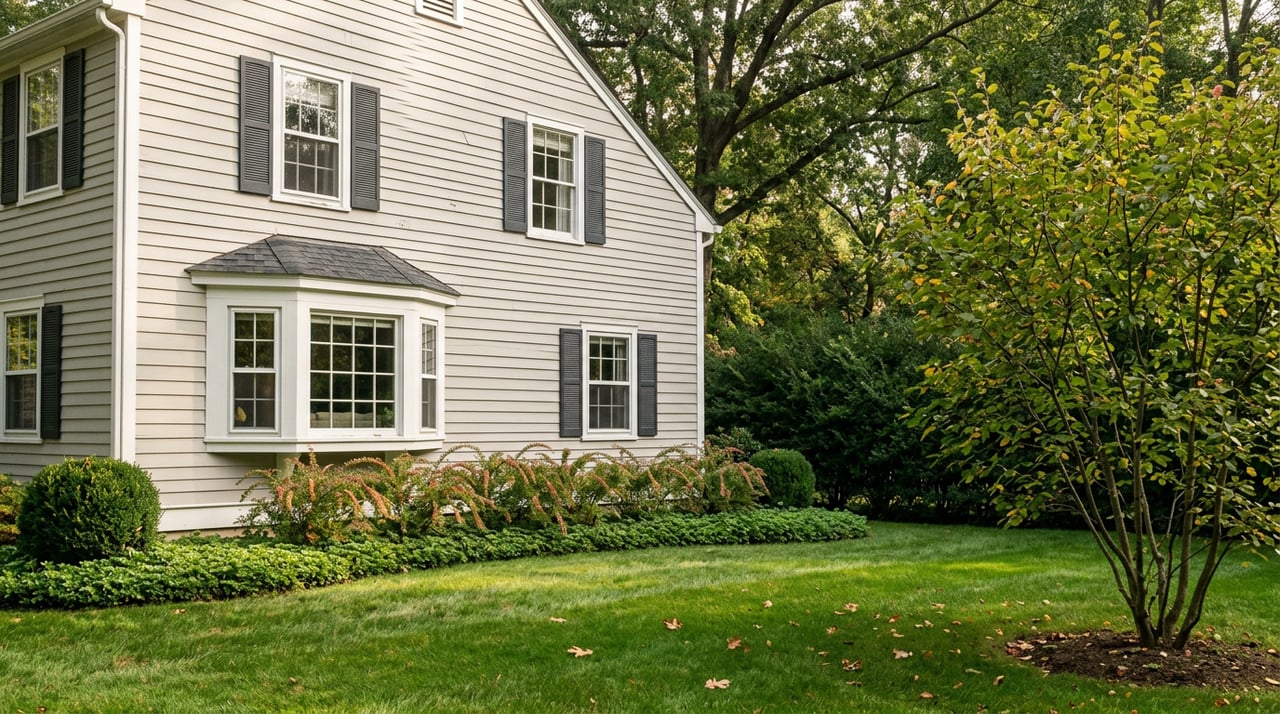
A family we'll call the Ortegas toured two capes in Chappaqua last spring, both listed within twenty thousand dollars of each other, both needing a fourth bedroom to fit two kids and a home office. One sat two blocks from the train station. The other sat off a wooded road ten minutes out, closer to Hardscrabble than to downtown. On paper the houses looked like a coin flip. In practice, one renovation was a conversation with an architect and a building permit. The other was a conversation with an architect, a building permit, and a four to seven month wait on the Westchester County Department of Health before anyone could pour a foundation.
The difference had nothing to do with square footage, lot size, or even the school assignment both houses shared. It came down to what's under the yard.
The Hamlet Runs On Sewer. Most Of New Castle Doesn't.
Chappaqua is a hamlet inside the Town of New Castle, and the two aren't served the same way underground. According to New Castle's own comprehensive plan, roughly 80 percent of the town's land area gets its drinking water through the New Castle-Stanwood Water District, with private wells covering the rest. Sewer service follows a similar split, but a narrower one: the town's sewered areas sit mainly in and around the Chappaqua hamlet itself, while a majority of New Castle still relies on private septic systems for wastewater.
That means the closer a property sits to the walkable village center, the more likely it connects to public water and sewer. Move a few roads out, toward Millwood or the more rural stretches near Bedford, and septic becomes the norm rather than the exception. Nobody puts this on a listing sheet. It shows up later, when a buyer starts planning the addition that made the house work in the first place.
What Actually Triggers A County Review
New Castle's own building permit application makes the stakes explicit. Westchester County Board of Health approval is required for new residences and for bedroom additions, and for existing homes the application asks for proof of a recent septic pump-out, within the last five years, or proof of a municipal sewer connection. That single line on a permit form is the whole story in miniature. If you're on sewer, you check a box. If you're on septic, the county wants documentation before you touch a stud.
Not every renovation trips this wire. A 2026 overview of Westchester permitting rules puts it plainly: adding a bathroom without adding a bedroom generally does not trigger capacity review on its own. But a bedroom does, every time. And the same guide notes that accessory dwelling additions count toward a household's total bedroom load for septic design purposes, whether or not anyone calls the space a bedroom on the survey.
Other Westchester towns write this out in even more specific terms. Somers' code, for example, extends county health department review to dens, offices, exercise rooms, and similar bonus spaces whenever they come with private access to a full bathroom, treating them as bedroom-equivalent for septic purposes. That's the same logic New Castle's health department applies. A converted home office with an attached bath isn't a paperwork loophole. It's a fifth bedroom as far as the septic tank is concerned.
Here's how the common renovation moves shake out:
| Renovation move | Triggers septic review? |
|---|---|
| Adding a bathroom, no new bedroom | Generally no |
| Adding a bedroom | Yes, in every case |
| Finishing a den or office with private access to a full bath | Yes, treated as a bedroom |
| Addition of 1,000+ square feet, or 100%+ increase in gross floor area, within five years | Yes, full current-standard compliance required |
| Accessory dwelling unit | Yes, counts toward total bedroom capacity |
The Timeline Nobody Puts In The Budget
Once a bedroom-equivalent addition triggers review, the county checks whether the existing system has capacity for one more bedroom's worth of wastewater. If it does, the review confirms it and the project moves forward. If it doesn't, the system needs to be upgraded or replaced before the building permit is issued. The same permitting guide estimates four to seven months for the Westchester County Department of Health process to run in parallel with the architectural work, which is often longer than the design phase itself.
The math gets tougher for larger projects. A renovation that adds 1,000 square feet or more, or doubles the home's gross floor area, within any five year window gets classified as a major expansion under county rules, and a major expansion has to meet current septic design standards rather than the standards the system was built under decades ago. Few older systems clear that bar on the first try. What started as a bedroom addition can turn into a full system redesign, which changes both the timeline and the budget the Ortegas would have planned around.
None of this is a reason to walk away from a septic property. It's a reason to know which side of the line a house sits on before you fall in love with the floor plan.
What To Ask Before You're Under Contract
The county keeps records on file for existing systems, and property owners or their agents can request a copy of the approved septic sketch through the Westchester County Department of Health, which shows the system's design and rated capacity. Before writing an offer on a Chappaqua property that isn't inside the sewered hamlet, it's worth asking the seller's agent three things: whether the home is on septic or public sewer, when the septic system was last pumped and inspected, and whether the county has an approved sketch on file. Those three answers tell you more about your renovation timeline than the listing photos ever will.
For sellers sitting on an older septic system who know a future owner will want to expand, getting ahead of the question changes the negotiation. A pre-listing septic inspection costs a fraction of what a mid-contract surprise does, and it gives you the option to disclose a clean system with documentation, price the home with the system's condition already factored in, or address a known issue on your own timeline instead of the buyer's. Compass Concierge can front costs like this ahead of a listing, which is worth a conversation before a septic system becomes the thing derailing your closing instead of a line item you handled early.
The Real Takeaway For Buyers Comparing Two Listings
Two homes at the same price in Chappaqua can carry very different renovation ceilings, and the list price alone won't tell you which is which. A buyer planning to add a bedroom, finish a lower level with a bathroom, or build a guest suite over a garage needs to know early whether that project is a permit and a contractor, or a permit, a contractor, and a multi-month county review that might end in a new septic system. That's not a detail that shows up in a median price or a per-square-foot number. It shows up in the well and the tank, and it's exactly the kind of thing worth asking about before you write an offer, not after your architect calls with bad news.
FAQ
Does this apply to me if I'm just buying, not planning any renovation? Not immediately, but it affects resale value and future flexibility. A home on septic with limited bedroom capacity is a home with a lower renovation ceiling for the next owner too, which is worth factoring into your offer even if you have no expansion plans today.
How do I find out if a specific Chappaqua address is on septic or public sewer? Ask your agent to check with the seller, or request records directly from the Westchester County Department of Health, which maintains septic sketches and approval records by property.
If my system already has five bedrooms of rated capacity and I only have four, can I add one without triggering a full redesign? If the existing system has documented headroom, the county review typically confirms that capacity rather than requiring a redesign. This is exactly why having an approved sketch on file matters before you plan the addition.
Does converting a garage into a guest suite count as adding a bedroom? If the space has private access to a full bathroom, Westchester's health department framework generally treats it as bedroom-equivalent for septic purposes, regardless of what it's called on the plans.
Buying or selling a home in Chappaqua where the answer to "septic or sewer" changes your renovation math isn't something to sort out after you're under contract. If you're comparing properties on either side of that line, or getting a septic system ready for a future sale, Jessica Broomhead can walk through what a specific address means for your plans. Schedule a personalized consultation before you make an offer, not after.