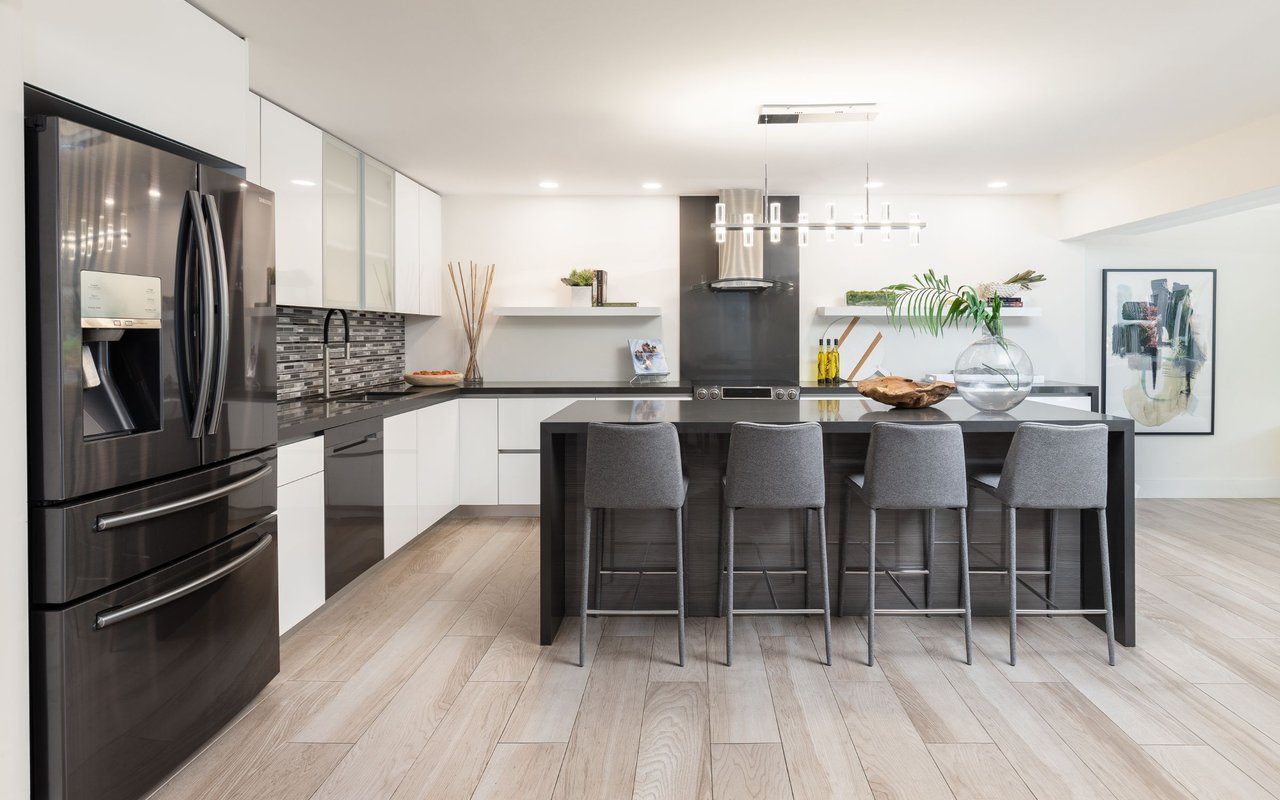
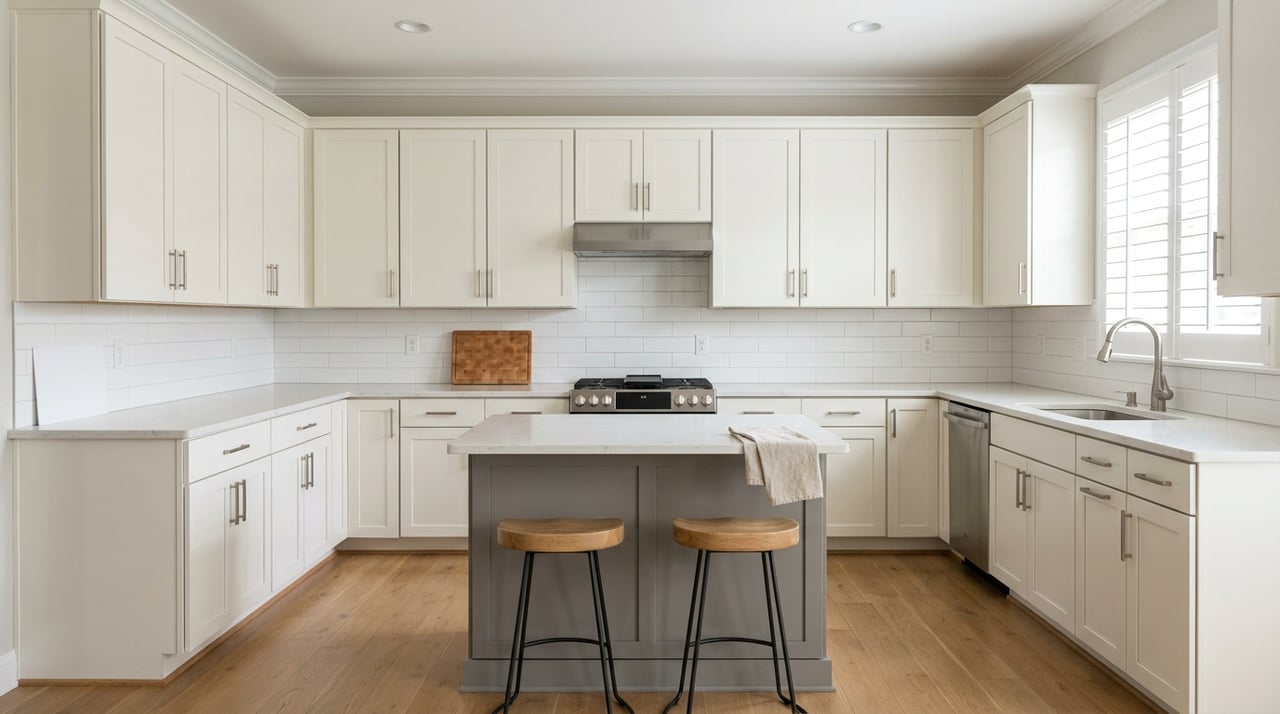
What makes one Ridgefield listing feel instantly memorable while another gets scrolled past? In a market where homes often approach the million-dollar mark and buyers start online, presentation can shape how quickly your home stands out and how strongly it resonates. If you are preparing to sell in Ridgefield, a smart staging and marketing plan can help you highlight character, show lifestyle, and launch with confidence. Let’s dive in.
Why presentation matters in Ridgefield
Ridgefield is a high-value market where details matter. Recent market trackers placed the town near the million-dollar mark, with Redfin reporting a March 2026 median sale price of $1,005,000 and Zillow reporting an average home value of $977,266, alongside 39 for-sale listings as of March 31, 2026. While those sources measure the market differently, they point to the same takeaway: buyers are comparing homes carefully, and presentation can influence first impressions.
Ridgefield also supports a digital-first selling strategy. Census QuickFacts shows an owner-occupied housing rate of 83.5%, a median owner-occupied home value of $836,200, median household income of $179,219, and broadband access in 96.3% of households. In plain terms, many buyers in this market are likely to encounter your home online before they ever step through the door.
Stage for Ridgefield’s character
In Ridgefield, staging works best when it respects the home and the setting. The town’s Historic District Commission describes a community shaped by more than 300 years of architectural history, with open front and side spaces, stone walls, and understated lighting among the defining elements. That means your staging plan should not try to force a generic luxury look onto a home with local character.
Instead, the goal is to reveal what is already valuable. For many Ridgefield homes, that means cleaner sightlines, edited décor, and furniture scaled to the room so original details can remain visible. If your home has trim, fireplaces, staircases, older windows, or balanced façade proportions, those features should feel easy to notice.
Historic homes need a lighter touch
If you are selling a historic home or Colonial, restraint often works better than overstyling. Ridgefield’s design guidelines emphasize massing, scale, rhythm, and orientation to the street, which reinforces the idea that buyers are responding to the house as a whole, not just to furniture and accessories. A lighter staging approach helps preserve authenticity while still making rooms feel inviting.
This is especially important when rooms are smaller or more defined than those in newer construction. Oversized sectionals, bulky tables, or too many decorative items can make the home feel crowded. Thoughtful editing helps buyers appreciate proportion, circulation, and craftsmanship.
Exterior updates may need early review
If your property is in one of Ridgefield’s seven historic districts, plan ahead before making exterior changes. The Historic District Commission notes that exterior alterations to historic resources are reviewed for appropriateness, while interior alterations, paint color, and landscape planting are generally outside its purview. That gives you more flexibility indoors, but curb appeal projects may require extra lead time.
This matters because sellers often want to refresh the front approach before listing. If you are considering changes to doors, lighting, railings, windows, or visible exterior elements, it is wise to confirm what applies to your property early. That way, your timeline stays intact and your launch does not get delayed.
Make the grounds part of the story
In Ridgefield, the land is often part of what buyers are really buying. The town highlights walking trails, parks, lakes, a golf course, and miles of country roads, and its 2020 open-space summary reported 5,636 acres of open space, or 25.2% of Ridgefield’s total area. That outdoor identity should show up clearly in how your home is staged, photographed, and described.
If your property includes acreage, gardens, terraces, a pool, a barn, or long views, those features should not be treated as extras. They are part of the value story. Buyers want to understand not just the rooms inside, but also how the home lives across the full property.
Show the transition from house to outdoors
For larger parcels and estate-style properties, the transition from interior to exterior matters. Good staging helps buyers read that connection clearly, whether it is a breakfast area opening to a patio, a family room with sightlines to the lawn, or a mudroom that supports everyday movement in and out of the house. Marketing should show how the home and grounds work together.
Photography should support that story. Instead of stopping at front and back yard shots, a strong visual plan can include terraces, outbuildings, garden zones, approach drives, and views back toward the house. In Ridgefield, that broader property narrative often helps explain the home’s appeal more fully.
Stage for photos, not just showings
Today, your online debut is often your most important showing. According to NAR, 81% of buyers rated listing photos as the most useful feature in their online home search, and 52% found the home they purchased online. That means your staging plan should be built around how the home will look on screen, not just how it feels in person.
This is where strategy matters. A room can look fine during a casual walkthrough but still photograph poorly if furniture blocks windows, pathways feel tight, or too many personal items compete for attention. The right prep helps your listing read clearly on mobile devices, desktops, and social platforms.
Define each room clearly
NAR’s 2025 staging snapshot found that 83% of buyers’ agents said staging made it easier for buyers to visualize a property as a future home. One of the simplest ways to support that is to give every room a clear purpose. If a buyer has to guess whether a space is a den, office, playroom, or guest room, you risk losing clarity.
This is especially useful in move-up homes where flexible spaces matter. A finished lower level, bonus room, or spare bedroom should be staged in a way that makes function easy to understand. Clear room identity helps buyers connect the layout to their daily life.
Build a stronger media plan
In Ridgefield, listing media should do more than document the property. It should guide buyers through the home in a sequence that feels natural and complete. NAR buyer research shows that buyers value photos, detailed property information, floor plans, virtual tours, and neighborhood information, so your marketing package should be designed to answer real questions from the start.
A strong photo sequence often begins with the front exterior, then moves through the entry, kitchen, principal living areas, primary suite, secondary baths, flex spaces, and any garage or barn. Outdoor areas that contribute to the story should also be included. This approach helps buyers understand the property quickly and builds confidence before they schedule a showing.
Use floor plans and virtual tools wisely
Floor plans and virtual tours can be especially useful in Ridgefield because lot layout and indoor-outdoor flow often matter as much as square footage. A floor plan helps buyers understand room relationships. A virtual tour can help them appreciate movement through the home, especially when spaces unfold gradually.
These tools also support relocation buyers who may be narrowing options from outside the area. When your listing feels complete online, you make it easier for serious buyers to act.
Write listing copy with a local lens
Strong Ridgefield marketing should connect the home to the town, not present it in isolation. NAR advises that listing descriptions perform best when they answer likely buyer questions early, and Ridgefield offers a clear framework for that story. The town is known for its historic Main Street, cultural offerings, and open-space character, all within a short drive north of New York City.
That means your listing copy can do more than recite finishes and room counts. It can explain how the property fits into Ridgefield living. Depending on the home, that might include its architectural character, its grounds, its relationship to downtown, or its access to arts and cultural destinations.
Focus on what buyers want to understand
Many sellers in Ridgefield benefit from asking three simple questions before writing the listing description:
- What original character should be highlighted?
- How should the grounds or acreage be framed?
- What town amenities help explain the home’s value?
In Ridgefield, the answers often point to architecture, outdoor usability, and cultural proximity. The town’s identity as Connecticut’s first Cultural District, designated in 2021, supports a lifestyle story centered on arts, history, music, dining, and shopping. For the right property, nearby destinations such as The Aldrich, Keeler Tavern, and the Ridgefield Playhouse can help add context to the home’s setting.
A practical pre-listing checklist
Before your home goes live, it helps to align staging and marketing into one plan. That way, every improvement supports both the in-person experience and the online launch.
Here is a practical Ridgefield-focused checklist:
- Edit furniture so rooms feel open and well-scaled
- Remove visual clutter and highly personal décor
- Highlight original architectural details instead of covering them
- Identify outdoor features that should be photographed and described
- Confirm whether any exterior updates may affect a historic property
- Prepare a photo sequence that tells the full property story
- Include floor plans or virtual tours when layout is important
- Shape listing copy around the home, land, and Ridgefield lifestyle
The goal is a complete story
The strongest Ridgefield listings usually do not rely on staging alone or marketing alone. They succeed because both work together. Your home should feel visually polished, true to its character, and clearly connected to its setting.
That is especially important in a town where architecture, land, and lifestyle all carry weight. When buyers can see the home’s scale, understand the flow, and picture the property in the context of Ridgefield itself, your listing has a much better chance to make a lasting impression.
If you are thinking about selling and want a plan tailored to your home’s style, setting, and buyer audience, Jessica Broomhead can help you prepare, position, and market your Ridgefield home with care.
FAQs
How important is staging for a Ridgefield home sale?
- Staging is especially important in Ridgefield because buyers often begin online, homes are high-value, and many properties have architectural details or outdoor features that need to be presented clearly.
What should sellers highlight in a historic Ridgefield home?
- Sellers should usually highlight original details such as trim, fireplaces, staircases, windows, and overall proportions, while keeping furnishings scaled and simple enough for those features to stand out.
Do exterior updates in Ridgefield historic districts need approval?
- If a property is in one of Ridgefield’s historic districts, some exterior alterations may be reviewed for appropriateness by the Historic District Commission, so it is smart to check early in the process.
What marketing materials matter most for a Ridgefield listing?
- Listing photos are essential, and buyers also value detailed property information, floor plans, virtual tours, and clear descriptions that explain the home’s layout, grounds, and local setting.
How should sellers market land and outdoor space in Ridgefield?
- Sellers should treat acreage, gardens, patios, pools, barns, and long views as core parts of the property story and make sure they are staged, photographed, and described with intention.