Thinking about trading your NYC routine for more space, more greenery, and a different pace of life? Ridgefield often lands on relocation buyers’ short list for exactly those reasons, but it helps to know what daily life and the Connecticut buying process actually look like before you make a move. If you are considering buying in Ridgefield, this guide will help you understand commute options, housing patterns, local regulations, and what to expect during the purchase process. Let’s dive in.
Why Ridgefield Appeals to NYC Buyers
Ridgefield sits in Fairfield County on Connecticut’s western border, about 60 miles northeast of New York City. According to official town planning materials, it is a colonial town of roughly 25,000 residents with a historic Main Street setting in the foothills of the Berkshire Mountains.
For many NYC buyers, the appeal is easy to understand. You get a town known for its historic center, a more spacious suburban layout, and a strong emphasis on preserved land and open space. The town reports close to 5,700 acres of designated open space and parks as of June 2024, including nearly 3,000 town-owned acres, which helps shape Ridgefield’s overall feel.
That said, Ridgefield is not a dense, walk-everywhere suburb. The town’s long-term planning framework has focused on preserving rural character through larger minimum lot sizes and limited commercial districts, so your day-to-day experience can feel very different from life in the city.
Understand the Village vs. Rural Feel
One of the most important things to know before you buy is that Ridgefield can feel like two distinct markets.
Downtown Ridgefield
The center of town includes a formal Village District that covers primarily Main Street, Bailey Avenue, and parts of Catoonah and Prospect Streets. In this area, visible construction or reconstruction is subject to additional architectural review to help preserve the district’s historic character, according to the town’s Village District guidance.
If you are drawn to a more walkable setting and a classic New England streetscape, this part of Ridgefield may feel familiar and appealing. It often offers easier access to downtown destinations, but it can also come with more review if you plan exterior changes.
Outlying Areas
Once you move away from the village center, Ridgefield becomes more spread out and car-oriented. The town’s transportation planning documents describe narrow, tree-lined roads and relatively few sidewalks in outlying areas, which reinforces a more rural residential pattern.
If you want more land, privacy, or a tucked-away setting, the outer parts of town may be exactly what you are looking for. Just know that errands, appointments, and commuting usually require more driving than many NYC buyers first expect.
What Home Styles to Expect
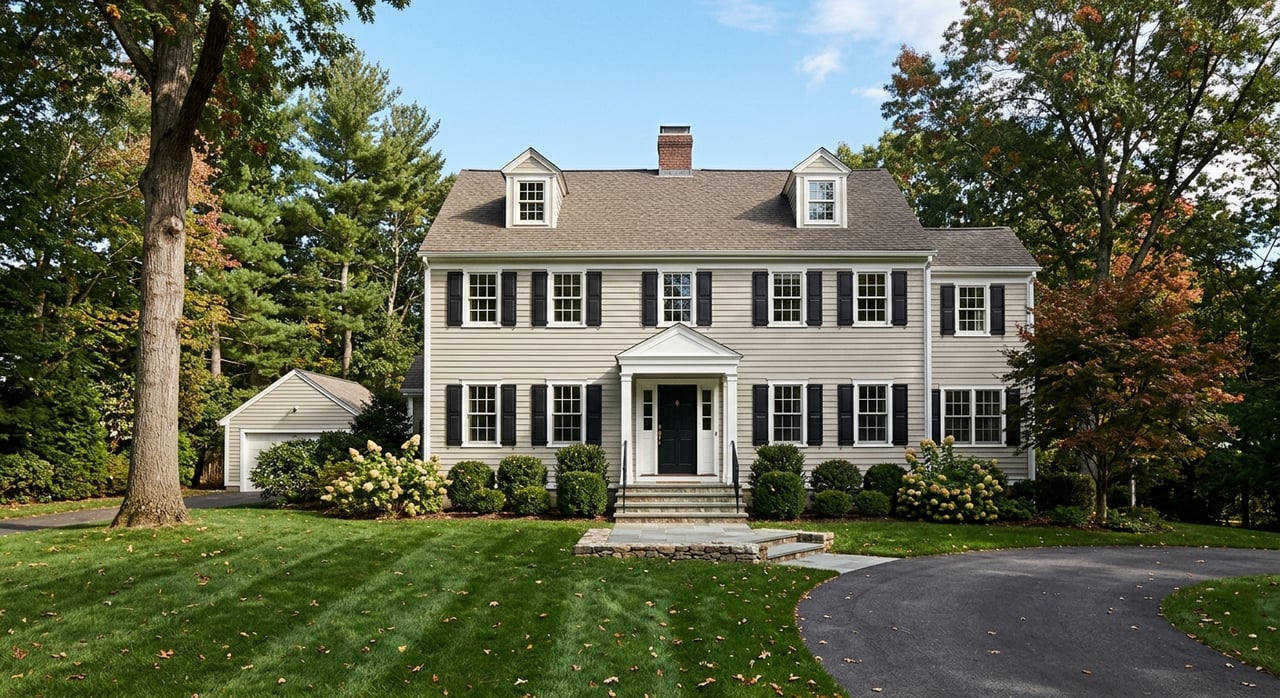
Ridgefield offers architectural variety, especially if you are comparing homes near downtown with homes farther out. Town historic materials reference examples of Vernacular/Colonial Revival, Vernacular/Dutch Colonial, and Queen Anne architecture, and Main Street is described as being lined with stately homes in parts of town.
That variety can be a big plus if you want character instead of a one-style subdivision feel. At the same time, older housing stock may mean more upkeep, more due diligence, and more questions about what has been updated over time.
If you are buying an older home and already thinking about future projects, it is smart to ask early about any district-specific review requirements. Exterior plans that seem straightforward in one location may need approval in another.
Check Historic and Village Rules Early
This is a major point for relocation buyers who are used to different local rules.
Ridgefield’s Historic District Commission has review authority in historic districts for new construction and many exterior changes, including fences, walkways, lighting, signs, driveways, parking areas, and other structural features. Garages, sheds, and similar structures also require prior review and approval before alteration or demolition.
In practice, that means you should not assume that cosmetic or exterior changes will be simple just because you own the home. If your wish list includes expanding a driveway, replacing a fence, changing lighting, or modifying outbuildings, reviewing district status before you buy can save time and frustration later.
Know the Commute Options
If you still expect regular trips into New York City, Ridgefield’s commute setup deserves a close look.
Metro-North Access
Branchville is Ridgefield’s Metro-North access point on the Danbury Branch. According to the MTA station page, the station is ramp-accessible, but it does not have a ticket office or ticket machines, so riders buy onboard or through the TrainTime app.
For some buyers, that rail connection is enough to keep Ridgefield in the running. For others, especially those used to more frequent direct service, it is important to map out a realistic commute before making an offer.
Ridgefield-Katonah Shuttle
The Ridgefield-Katonah Shuttle is a weekday rush-hour bus linking Ridgefield and South Salem park-and-ride lots with the Katonah Metro-North station. Buses are timed to connect with trains to and from Grand Central, but there is no Saturday or Sunday service.
Current published fares are $1.75 for the bus, $19 peak and $14 off-peak for the rail segment, and $407.75 monthly for a combined bus-and-rail UniTicket. If you plan to commute several times a week, these details matter when you compare Ridgefield with other relocation options.
Additional Transit Options
Weekday service along the Ridgefield and Branchville corridor is also available via HARTransit’s Route 7 Link, which runs between Danbury and Norwalk. Ridgefield also offers limited no-cost town bus services for seniors and disabled adults on select weekdays.
These services can be helpful, but they do not create a broad city-style transit network. For most households, especially outside downtown, a car remains part of daily life.
Plan for a Car-Dependent Routine
This is one of the biggest lifestyle shifts for NYC relocators.
Based on the town’s transportation documents, outlying parts of Ridgefield have few sidewalks and transit is concentrated in specific corridors and shuttle services. That means many buyers will want a car for errands, appointments, and everyday logistics.
If you are moving from Manhattan or Brooklyn, it helps to think beyond the commute. Consider grocery runs, activities, healthcare visits, and how often you want to drive for routine tasks. A home that feels perfect online may function very differently once you map your actual weekly routine.
How the Connecticut Buying Process Differs
If you have only bought property in New York, Connecticut’s transaction structure may feel different.
Closings Are Attorney-Driven
Under Connecticut law, no person may conduct a real estate closing unless they are admitted as an attorney in Connecticut. The state’s consumer guidance also advises buyers to have an attorney oversee the paperwork and legal aspects of the transaction, as outlined in the Connecticut statutes.
For NYC buyers, this is an important mindset shift. You should plan your Connecticut purchase team early and understand that legal review is a central part of the process.
Seller Disclosures Matter
Connecticut also uses a formal disclosure system. Sellers generally must provide a Residential Property Condition Report before the buyer signs a binder or contract, and as of July 1, 2025 certain properties also require a Residential Foundation Condition Report under state law.
The Department of Consumer Protection advises buyers to hire an independent, licensed home inspector. If issues come up, requests for repairs or credits are commonly addressed in writing, which makes careful review and documentation especially important.
What to Know About Taxes
Property taxes are part of every relocation decision, and it is worth understanding how Ridgefield bills them.
According to the town’s Tax Collector, the current mill rate is 27.39 mills per $1,000 of assessed value as of July 1, 2025. The town also notes that there is no separate education tax, and taxes are billed on the town’s fiscal year cycle.
When you compare Ridgefield with New York options, be sure you are looking at the full monthly cost picture. That includes mortgage payment, taxes, insurance, commuting costs, and any near-term home maintenance or improvement plans.
What the Market Looks Like Right Now
Ridgefield is currently a somewhat competitive market, but monthly numbers can shift because sales volume may be limited in a given period.
Redfin’s March 2026 market snapshot reported a median sale price of $1,005,000, median days on market of 125, and a sale-to-list ratio of 97.3%. Only seven homes sold that month, so those numbers are helpful as a snapshot, not a guarantee of current conditions across every price point or property type.
For buyers, the takeaway is simple: preparation matters. A town can feel competitive overall while still offering very different opportunities depending on location, condition, and whether a home falls within a more regulated district.
A Smart Ridgefield Buying Checklist
Before you buy in Ridgefield, make sure you have clear answers to these questions:
- How often will you commute to NYC, and by which route?
- Do you want village access, or do you prefer a more private setting?
- Are you comfortable with a car-dependent daily routine?
- Is the home in a Village District or Historic District?
- Are you planning exterior changes that may require review?
- Have you budgeted for taxes, commuting, and upkeep together?
- Do you have a Connecticut attorney and inspector lined up?
A little upfront planning goes a long way, especially when you are making a cross-state move and adjusting to a different style of suburban living.
Ridgefield can be a great fit if you want more space, a historic downtown feel, and access to extensive open land while staying within reach of New York City. The key is buying with a clear understanding of how the town works day to day, from commuting and driving to district rules and Connecticut-specific transaction steps.
If you are exploring Ridgefield or comparing it with nearby New York and Connecticut towns, Jessica Broomhead can help you navigate the tradeoffs with thoughtful, cross-state guidance tailored to your move.
FAQs
What should NYC buyers know about commuting from Ridgefield?
- Ridgefield offers Metro-North access via Branchville, a weekday Ridgefield-Katonah Shuttle to Katonah, and limited additional bus options, but most buyers should still expect to rely on a car for daily routines.
What should buyers know about historic district rules in Ridgefield?
- Some Ridgefield homes are located in areas where exterior changes, new construction, or alterations to features like fences, lighting, driveways, garages, or sheds may require review and approval.
What is the Connecticut home buying process like for Ridgefield buyers?
- Connecticut closings are attorney-driven, seller disclosures are formalized, and buyers are advised to use an independent licensed home inspector during due diligence.
What are Ridgefield property taxes based on?
- Ridgefield’s tax collector lists a mill rate of 27.39 mills per $1,000 of assessed value as of July 1, 2025, with no separate education tax.
Is Ridgefield walkable for buyers relocating from NYC?
- Parts of downtown are more walkable, but many outlying areas are lower-density, have few sidewalks, and are better suited to households that are comfortable driving regularly.