Are buyers pausing on your online photos or scrolling past? In White Plains, presentation is a financial decision, not just a finishing touch. With thoughtful staging and the right visuals, you can shorten days on market and often improve your final offers. In this guide, you’ll learn what works here, what it costs, and how to time it so your listing launches strong. Let’s dive in.
Why staging matters in White Plains
White Plains blends urban condos with suburban single-family homes, so buyer expectations vary by product type. Zillow’s Home Value Index places the typical home value around $756,655 as of January 31, 2026, and different data providers show different medians and days on market because they sample condos and houses differently. That mix means your staging should be tailored to your likely buyer.
Local demographics also shape what connects. The U.S. Census shows a median household income around $110,763, a mean commute of about 27 minutes, and a multilingual community where about 40% speak a language other than English at home. These details point to two common audiences: commuters and professionals who want turnkey condos with strong photos, and local families who prioritize functional space and curb appeal. You can meet both by staging for clarity, comfort, and flow.
What the data says about ROI
Industry studies agree that staging helps homes sell faster and can enhance price outcomes. In the National Association of Realtors’ 2025 Profile of Home Staging, about 29% of Realtors reported a 1%–10% increase in the dollar value offered for staged homes, and 49% of sellers’ agents saw reduced time on market for staged listings. You can review these findings in the NAR 2025 staging report.
For representative success cases, the Real Estate Staging Association’s Q1 2025 insights showed an average staging investment of roughly $3,588, average days on market around 12, and an average sale-to-list ratio near 107%, with a quoted ROI of about $23 returned per $1 spent. Because RESA’s sample focuses on staged projects tracked by member stagers, treat those figures as strong-case examples rather than a universal rule. See the RESA Q1 2025 Market Insights for details.
Room-by-room priorities that pay off
NAR reports that the most effective first steps are simple: declutter, deep clean, and boost curb appeal. That foundation sets the stage for the rooms buyers notice most.
- Living room: Edit furniture for better flow, add soft lighting, and use a neutral palette with one or two accents. The goal is calm, open, and easy to understand at a glance.
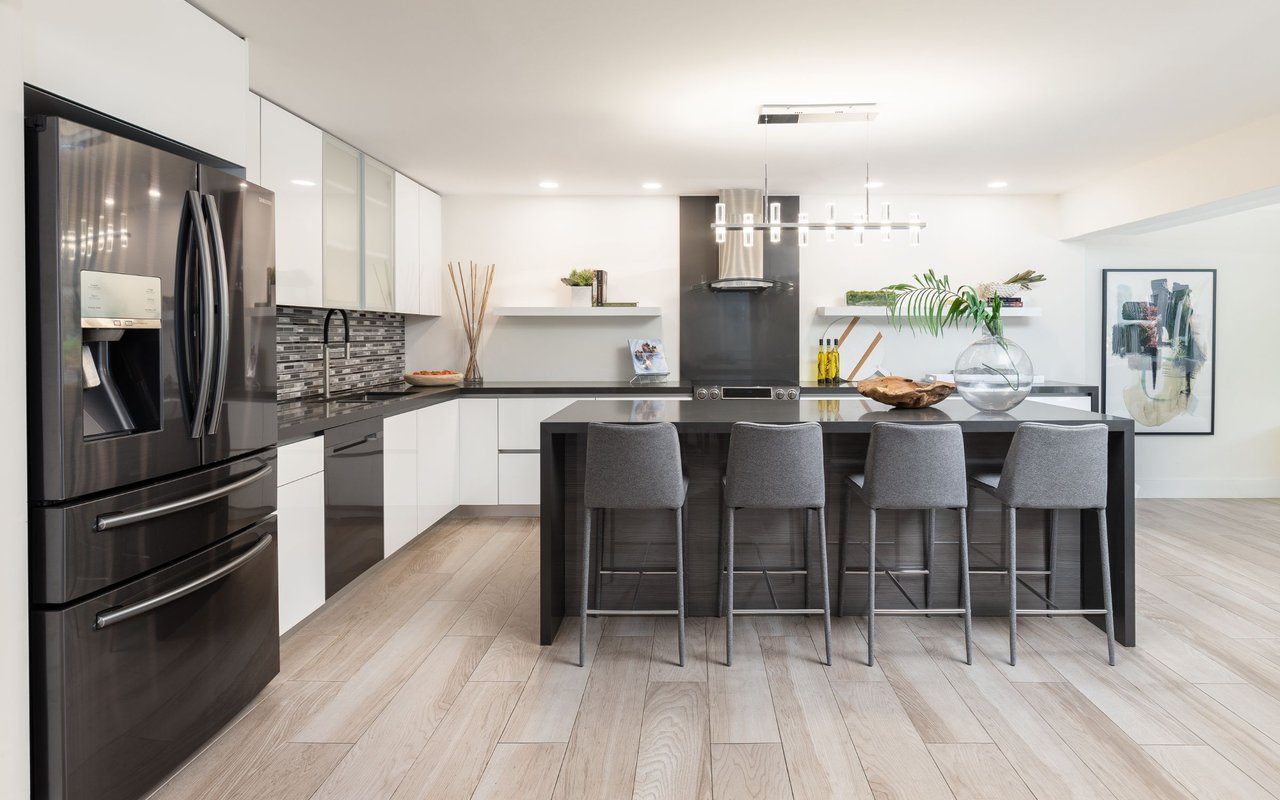
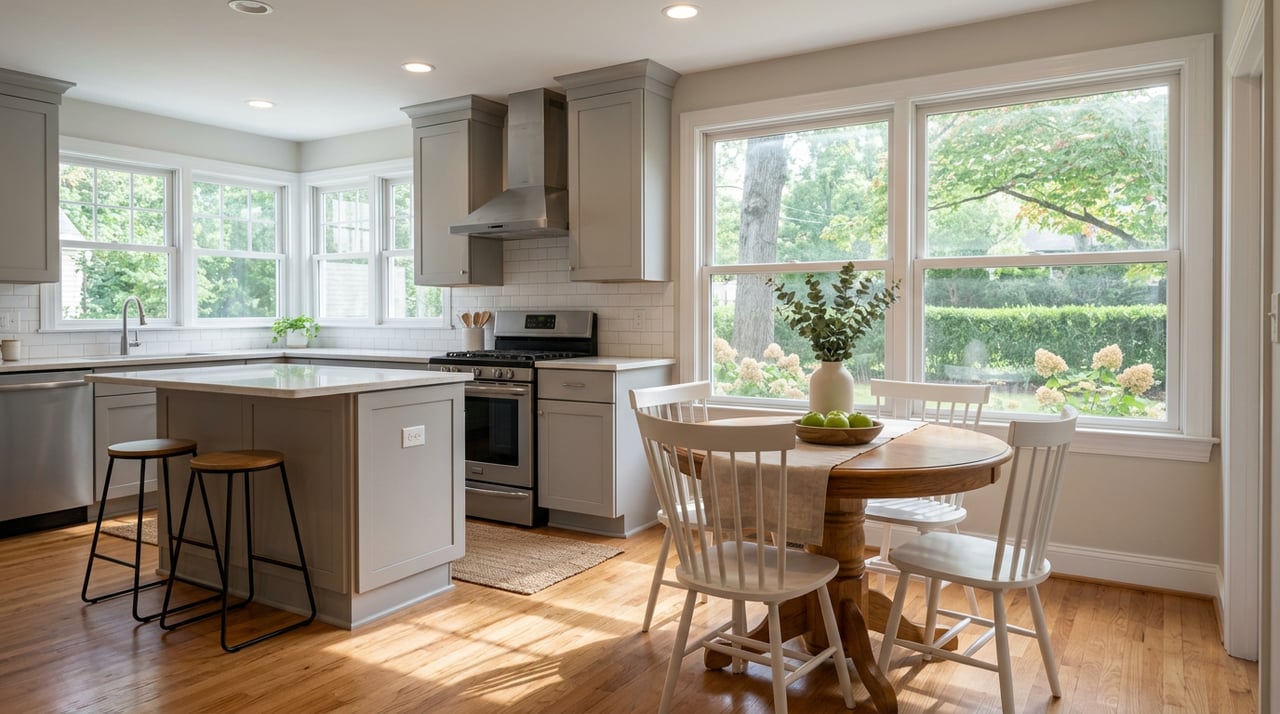
- Kitchen: Clear counters, shine fixtures, and group one tasteful accent like a fruit bowl or cutting board. Clean hardware and consistent warm lighting photograph best.
- Primary bedroom: Fresh linens, neutral art, and uncluttered nightstands help buyers imagine a restful retreat.
For downtown condos
Condos sell the lifestyle. Remove oversized pieces to show circulation, float a small dining setup, and add a laptop-and-coffee vignette to suggest work-from-home flexibility. Keep kitchen counters almost empty, emphasize natural light, and make sure photos show layout and flow. Mention building amenities and proximity to Metro-North and restaurants in your description, and include a floor plan so buyers can “read” the space quickly.
For single-family homes
Houses win on curb appeal and functional space. Power-wash paths, trim hedges, and add simple seasonal planters. Inside, stage a flexible room as an office or play space depending on your most likely buyer. Declutter storage areas and basements to highlight capacity, and consider a twilight exterior photo if your lighting or patio shines after dusk.
Low-cost, high-impact moves
- Remove 70%–90% of small personal items for a cleaner, larger feel.
- Patch and touch up paint in high-visibility rooms.
- Replace dated hardware and swap in higher-lumen, warm bulbs. Add floor or table lamps where corners feel dark.
- Deep clean carpets, windows, and grout. Launder or replace towels and bedding for a hotel-clean look.
- For vacant homes, stage the main rooms physically, or use designer-led virtual staging with clear labeling for online photos.
Photos, floor plans, and tours that sell
Online, buyers decide in seconds whether to click, save, or schedule. High-resolution photography, floor plans, and 3D tours give your listing the edge.
- Professional interior photos: Clean, bright HDR images consistently correlate with faster sales and better engagement. See how pro imagery affects results in this overview of photography’s impact.
- Twilight and exterior hero shots: If your home has attractive lighting, a patio, or a great façade, a dusk image can raise click-through rates, especially for lifestyle-focused properties. Local vendors offer dedicated sessions; explore typical options on twilight photography service pages.
- Drone context: For homes with notable yards or nearby parks, aerials can showcase setting and privacy.
- 3D tours and interactive floor plans: Many buyers pre-screen from their phones during commute windows. Pairing staged images with a floor plan and a virtual tour tends to improve engagement and qualified showings.
Virtual staging, done right
Virtual staging helps vacant condos and quick-turn listings get attention, but accuracy and disclosure matter. Use a designer-supervised service and label images as virtually staged to avoid misrepresentation issues. For a helpful overview, read this guide on best practices for virtual staging and disclosure.
Timeline and budget, realistically
Every property is different, but here are typical ranges and a planning sequence you can count on:
Budget ranges
- Agent-led staging consult where you or your agent implement advice: around $500 median nationally per NAR.
- Partial professional staging for key rooms: roughly $600–$2,000 depending on scope.
- Full-home staging with furniture rental: about $1,500–$7,000 or more by size and duration. RESA’s Q1 2025 sample reported an average staging spend near $3,588. Westchester pricing can trend higher than small-market averages.
- Designer-led virtual staging: about $59–$129 per image.
Timeline
- 8–12+ weeks out: choose your agent, assess repairs, and target where to invest.
- 3–6 weeks out: complete repairs, declutter, deep clean, and lock your staging plan.
- 1–2 weeks out: install staging. Most installs finish in a day or two. Then schedule photography and any virtual tour. Many vendors deliver edited photos within 24–48 hours, as shown by typical photographer turnaround.
- Listing day: go live with your best assets. Concentrate paid and organic promotion in the first 7–14 days while interest peaks.
For background on staging ROI and common recommendations, see the NAR 2025 staging summary and RESA’s market insights.
How your agent makes it easier
A staging-focused agent does more than order furniture. You get guidance on which rooms to stage for the highest return, access to trusted vendors, and a launch plan that pairs your staging with compelling photos, floor plans, and targeted social ads when attention is highest. You also benefit from clear communication and hands-on coordination so the prep process stays on time and on budget.
Jessica Broomhead blends boutique, relationship-driven service with the distribution power and tech of a national brokerage. Her presentation-first approach, curated visual listings, and certified social marketing help relocation buyers and local families find you faster. When you are ready to sell in White Plains, connect with Jessica Broomhead to map the smartest staging plan for your home.
30–60–90 day checklist
90+ days before listing
- Select your agent and review comps and timing.
- Consider a pre-list inspection to spot easy fixes.
- Set a staging budget and decide on physical or virtual staging.
30–60 days before listing
- Complete repairs and paint touch-ups.
- Declutter, donate, and deep clean.
- Schedule staging install and photography.
7–14 days before listing
- Install staging and finalize styling in key rooms.
- Capture HDR interior photos, 1 twilight exterior if it adds value, plus a floor plan and 3D tour.
- Launch marketing and focus exposure in week one and two.
FAQs
What’s the average cost to stage a White Plains home?
- Nationally, agent-led consults average around $500, partial staging runs about $600–$2,000, and full-home staging can range from $1,500–$7,000 or more, with Westchester often trending higher.
Does staging really help my sale price and speed?
- NAR’s 2025 survey found 29% of agents saw a 1%–10% price lift and 49% saw reduced time on market for staged homes, while RESA’s case series shows outsized ROI for many fully staged projects.
Should I stage a downtown condo differently than a house?
- Yes; condos benefit from clear circulation, minimalist styling, and amenity-forward marketing, while houses should emphasize curb appeal, storage, and flexible spaces like offices or playrooms.
Is virtual staging acceptable for White Plains listings?
- It can work well for vacant homes if you use a designer-led service, keep proportions accurate, and clearly label images as virtually staged to avoid misrepresentation concerns.
How long does staging take before photos?
- Most professional installs finish in 1–2 days, with edited photos and tours typically delivered within 24–48 hours so you can launch quickly.